At no extra cost to you, some or all of the products featured below are from partners who may compensate us for your click. It's how we make money. This does not influence our recommendations or editorial integrity, but it does help us keep the site running. Read our full Disclosure.
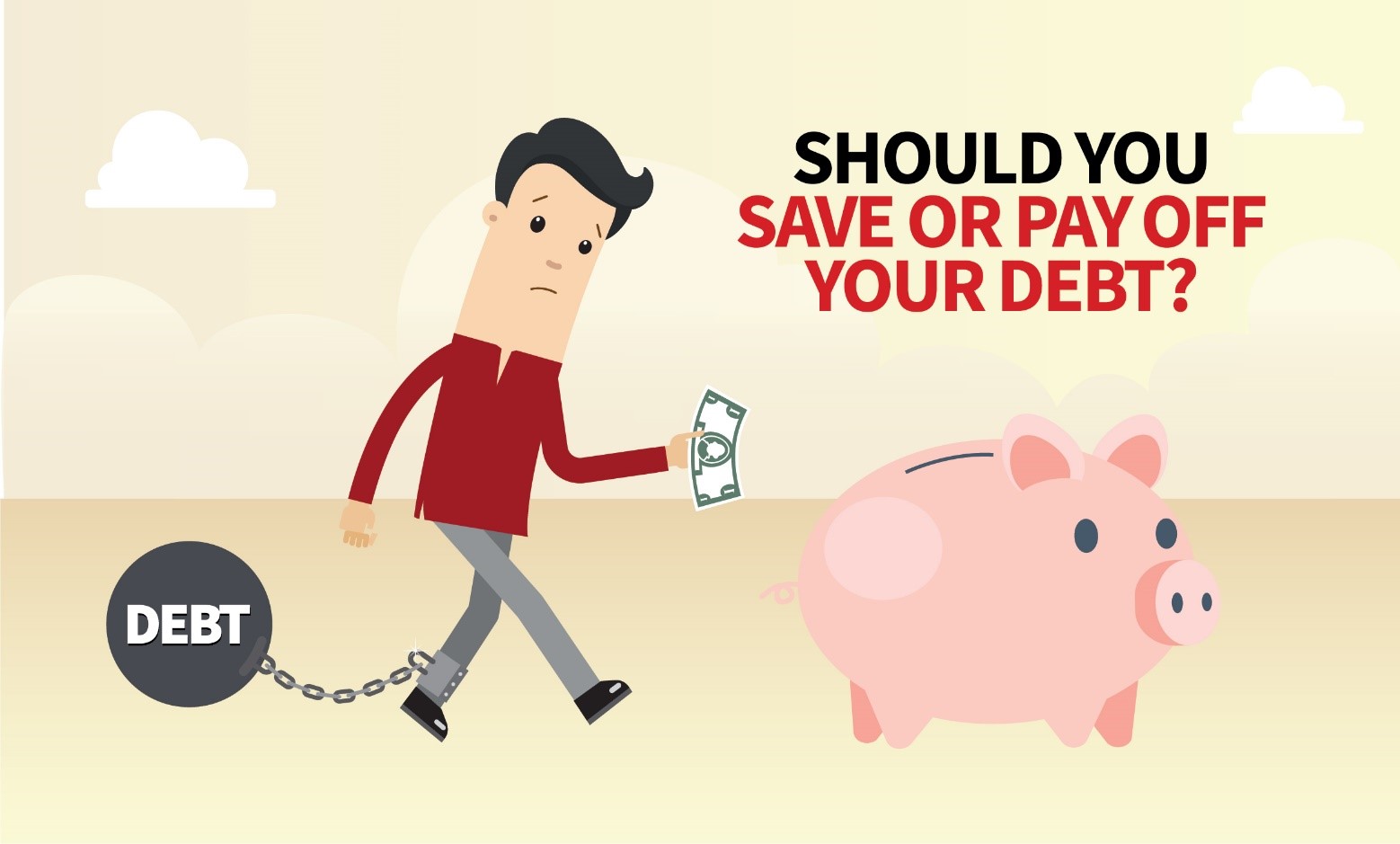
When it comes to managing your finances, one of the most common questions people ask is whether they should prioritize paying off debt or saving money first.
This dilemma is especially common when the interest rate on debt is higher than the interest earned on savings. For example, imagine you have a student loan with an interest rate of 6.8%, but your savings account offers less than 4% interest.
Intuition might tell you to pay down your debt as quickly as possible to save money on interest. However, the best answer might surprise you.
In this post, we’ll explore why having a solid emergency fund should come first, how to balance saving and debt repayment, and strategies that can help you build financial stability over time.
The Importance of Having an Emergency Fund
Before you rush to pay down debt, it’s crucial to understand why having an emergency savings account is so important. Life is unpredictable, and emergencies happen to everyone—whether it’s a sudden car repair, unexpected medical bills, or other unforeseen expenses. If you don’t have a financial cushion in place, you might be forced to borrow more money, often at higher interest rates than your existing debt.
Imagine this scenario: you have no savings and face a major car repair. Without funds set aside, you might have no choice but to put that expense on a credit card or take out a loan. This can quickly lead to a cycle of growing debt, undoing all the progress you’ve made paying off previous balances.
An emergency fund serves as a financial safety net, allowing you to cover unexpected costs without derailing your financial goals. The first goal should be to build at least $1,000 in a dedicated savings account. This amount might seem small, but it’s enough to handle many common emergencies and prevent you from adding more debt.
Building Your Emergency Fund: A Personal Story
When I started managing my finances, I created what I called my “car blowup account.” This was a separate savings account with $5,000 earmarked specifically for major vehicle repairs, like engine or transmission replacements. At the time, $5,000 was roughly the amount needed to cover such repairs.
Having this dedicated emergency fund gave me peace of mind. If my car broke down, I could fix it immediately without borrowing. Over time, my emergency fund grew beyond just car repairs. It became a buffer for medical emergencies, insurance deductibles, and other unexpected costs.
Today, financial experts generally recommend having three to six months of living expenses saved for emergencies. While that might seem overwhelming at first, starting with just $1,000 can set you on the right path.
Why Not Just Pay Off Debt Right Away?
You might be wondering: if my student loan interest rate is higher than what I earn on savings, shouldn’t I just focus on paying off the debt?
While paying down debt is important, the risk of not having accessible cash during emergencies can lead to bigger problems. Without an emergency fund, you risk accumulating even more expensive debt when unexpected expenses arise.
Also, the stress and uncertainty of not having any savings can make it difficult to stick to a debt repayment plan. Knowing you have money set aside allows you to breathe easier and focus on eliminating debt more strategically.
Prioritize High-Interest Debt After Saving
Once you’ve built a basic emergency fund, it’s wise to focus on paying off your highest-interest debts first. This includes credit cards, payday loans, and some car loans, which often carry interest rates well above 10%, sometimes even exceeding 20%.
Why prioritize these? Because every dollar you pay off in high-interest debt is like earning a guaranteed return equal to the interest rate on that debt. For example, paying off a credit card with a 15% interest rate is like making a 15% investment. That’s hard to beat with most savings accounts or investment options.
In contrast, your student loan at 6.8% is moderate, but it still makes sense to tackle it after eliminating higher-interest debt.
The Psychological Power of Paying Off Smaller Debts
Another strategy to consider is paying off smaller debts first. This approach, often called the “debt snowball,” involves paying off the smallest balances to zero, regardless of interest rate. Why?
Because clearing a debt completely is a huge psychological win. It gives you a tangible sense of accomplishment and motivates you to keep going. Once a debt is paid off, you can apply the money you were using for that payment toward your next debt, accelerating your progress.
Combining this psychological boost with focusing on high-interest debts can help keep you motivated over the long haul.
How to Balance Saving and Debt Repayment
Every person’s financial situation is unique, so your approach may differ based on your income, expenses, and financial goals. Here are some practical guidelines to help you balance saving and paying off debt:
- Start with a $1,000 Emergency Fund: This initial cushion protects you from adding more debt when emergencies happen.
- Focus on High-Interest Debt: After your emergency fund, prioritize paying down debts with the highest interest rates to minimize money lost to interest.
- Consider Your Cash Flow: If you have multiple debts, pay minimums on all but throw extra money at the highest-interest or smallest balances.
- Build Larger Savings Over Time: After eliminating the most costly debts, gradually increase your emergency fund to cover three to six months of expenses.
- Avoid Accumulating New Debt: While paying off old debt, avoid taking on new debt to prevent backsliding.
- Stay Flexible: Life changes, so be willing to adjust your plan if needed. If an unexpected expense wipes out your emergency fund, rebuild it before aggressively paying down debt again.
Avoiding the Debt Trap
One of the biggest risks people face is falling into a debt trap—where they pay off some debt only to accumulate more because of a lack of savings. Without a safety net, any emergency can force you back into borrowing.
By prioritizing emergency savings, you protect yourself from this trap and create a more sustainable financial plan.
Resources to Help You Get Out of Debt
If you’re feeling overwhelmed by debt, there are structured programs and courses designed to help you regain control. These often include step-by-step strategies, budgeting tools, and motivational support.
One example is the “Dominate Debt” course, which guides you through a process to pay off debt for good and build lasting financial habits. Whether you use courses, financial coaching, or self-study, the important thing is to take consistent action.
Final Thoughts
Deciding whether to pay off debt or save money first doesn’t have to be confusing. Start by building a small emergency fund to protect yourself from unexpected expenses. Then focus on paying down your highest-interest debts to reduce the amount you lose to interest payments.
Celebrate your progress along the way, especially when you pay off smaller debts. This will keep you motivated and focused on your long-term financial goals.
Remember, financial security is a journey, not a sprint. With patience, discipline, and a clear plan, you can escape the stress of debt and build a future where emergencies don’t derail your progress.
If you have questions about your specific situation or want to share your experiences, feel free to leave a comment below. Learning from others and sharing your story can be a powerful part of your financial growth.
Start today with that first $1,000, then take it step by step—you’ll be glad you did.