
At no extra cost to you, some or all of the products featured below are from partners who may compensate us for your click. It's how we make money. This does not influence our recommendations or editorial integrity, but it does help us keep the site running. Read our full Disclosure.
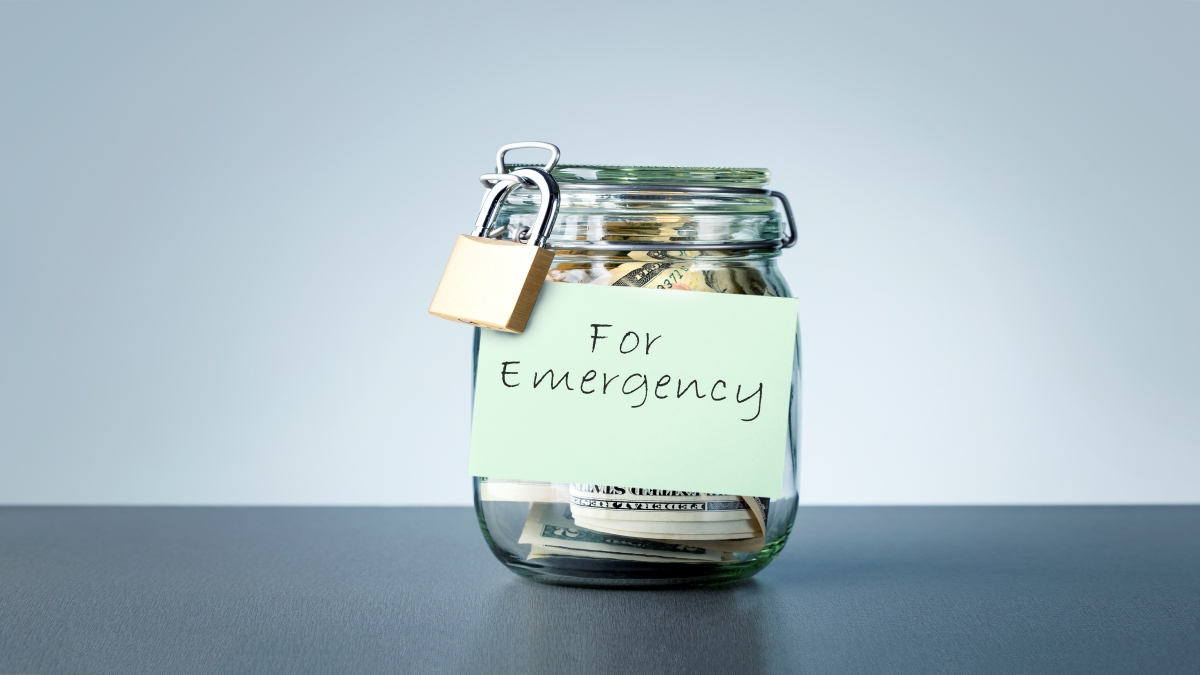
Having a fully funded emergency fund isn’t just smart—it’s essential. It provides financial stability and peace of mind when unexpected situations arise. Yet, many people don’t have one in place or feel their current savings aren’t nearly enough. If that’s you, this guide is for you.
Here’s a detailed, step-by-step approach to help you build your emergency fund faster than you thought possible.
These seven tips are not just about saving money—they’re about making a plan, setting priorities, and taking meaningful action toward your financial goals.
1. Determine How Much You Need to Save
The foundation of your emergency fund is understanding how much you actually need. The typical recommendation is to save between 3 to 6 months’ worth of expenses. However, instead of focusing on all expenses, focus on your needs—the essentials like housing, food, utilities, transportation, and healthcare.
To get started, create a written budget. Break down your monthly spending to identify what’s essential (needs) and what’s optional (wants). Once you’ve calculated your monthly needs, multiply that amount by 3 to 6, depending on your job security and income stability. If you work in a stable field (like education or government), 3 months may be sufficient. If your income is variable or uncertain, aim for 6 months or more.
Next, define a time frame. How long do you want to take to reach this goal—6 months? A year? Two years? This gives you a clear target and a deadline, making your goal specific and actionable.
2. Break Down Your Monthly Savings Goal
Once you’ve determined the total amount you need and your time frame, break that goal into manageable monthly or biweekly savings targets. For example, if you want to save $12,000 in 6 months, that’s $2,000 per month or about $1,000 every two weeks.
Breaking the goal down like this transforms a big, intimidating number into a series of smaller, more achievable milestones. It also allows you to integrate your savings plan into your regular financial routine.
3. Prioritize Emergency Fund Contributions in Your Budget
Don’t treat savings like an afterthought. If you want to build your emergency fund quickly, treat your monthly savings contribution like a required bill—right up there with rent, groceries, and utilities.
Place your emergency fund contribution at the top of your monthly budget. This prioritization ensures it gets funded first, before discretionary spending takes over. By doing this consistently, you’ll be much more likely to hit your goal within your set time frame.
4. Choose the Right Place to Store Your Emergency Fund
An emergency fund should be accessible, safe, and separate from your regular checking account to reduce the temptation to spend it.
You have a few good options:
- High-Yield Savings Account (HYSA): These are often offered by online banks and provide better interest rates than traditional banks. Just be aware that interest rates are variable and may change over time.
- Traditional Savings Account: Though the interest may be lower, it’s easy to set up and access in a pinch.
- Money Market Accounts: These can offer decent interest rates and come with limited check-writing capabilities.
Whichever option you choose, automate your savings. Set up automatic transfers from your checking account on a schedule that matches your pay cycle. Automating helps ensure you stick to your savings goal without relying on willpower each month.
One important reminder: an emergency fund is not an investment account. The goal isn’t to grow your money with high returns—it’s to have it available when you need it most.
5. Cut Costs to Increase Savings
One of the most effective ways to boost your emergency fund is by freeing up more money in your monthly budget. Start by evaluating where you can cut costs:
- Cancel unused subscriptions
- Limit dining out and cook at home more often
- Review your insurance policies for potential savings
- Avoid impulse purchases
Even small cuts can add up. For example, saving just $5 a day by skipping coffee shop visits can net you $150 a month. Combine that with other cuts, and you could easily find an extra few hundred dollars each month to boost your savings.
You can also look at increasing your income—ask for a raise, work overtime, or pick up a side hustle. The more income you can direct toward your goal, the faster you’ll get there.
6. Consider Reducing Housing Costs
This is a more dramatic step, but it can be extremely effective. Housing is often the largest single expense in any budget. If you can reduce your rent or mortgage, you’ll not only save more money each month—you’ll also reduce the amount you need to save overall for your emergency fund.
Options include:
- Getting a roommate
- Renting out a room in your home
- Moving in with family temporarily
- Downsizing your living space
When you lower your housing cost, you accomplish two things:
- You immediately free up more money to put toward savings.
- Your monthly needs go down, meaning your target emergency fund amount is now lower.
While not always convenient, this strategy can accelerate your savings significantly and help you reach your goal much faster.
7. Temporarily Reduce Investments or Debt Payments
Sometimes, to reach one financial goal faster, you need to press pause on others. If you’re aggressively investing or paying off debt, consider slowing down temporarily to focus on building your emergency fund.
A few things to consider:
- Always try to get your company’s retirement match if offered—that’s free money.
- You might lower your investment contributions to 3–5% while you fund your emergency account.
- If you’re aggressively paying off debt, slow down just enough to get a basic emergency fund ($1,000–$3,000) in place first.
Remember: financial priorities can shift depending on your season of life. It’s okay to adjust your strategy as long as you’re being intentional.
If you already have money sitting in another account that’s earmarked for a future expense you could delay—consider using some of that to jump-start or fully fund your emergency savings.
Final Thoughts
Building a robust emergency fund takes discipline and intention, but it’s absolutely worth the effort. It creates a financial cushion that protects you from life’s inevitable surprises—whether that’s a job loss, car repair, medical bill, or something else entirely.
Everyone’s situation is different, and there’s no one-size-fits-all solution. But by following these seven steps, you can create a plan that works for you and reach your goal faster.
Once you reach your emergency fund target, the work doesn’t stop. If you ever dip into it, prioritize replenishing it immediately. And remember: emergency funds are for unexpected expenses only—not birthdays, holidays, or car insurance. Those should already be part of your regular budget.
Financial peace of mind starts with preparation. You can do this. Start today, stick with your plan, and watch your financial security grow.