At no extra cost to you, some or all of the products featured below are from partners who may compensate us for your click. It's how we make money. This does not influence our recommendations or editorial integrity, but it does help us keep the site running. Read our full Disclosure.
If the idea of budgeting feels overwhelming or you’ve tried numerous methods without success, the 50/30/20 budgeting rule might be exactly what you need.
This straightforward approach breaks your finances down into three simple categories, helping you focus on what really matters each month—your needs, your wants, and your savings.
Let’s explore how this method works and how you can use it to take control of your money with less stress.
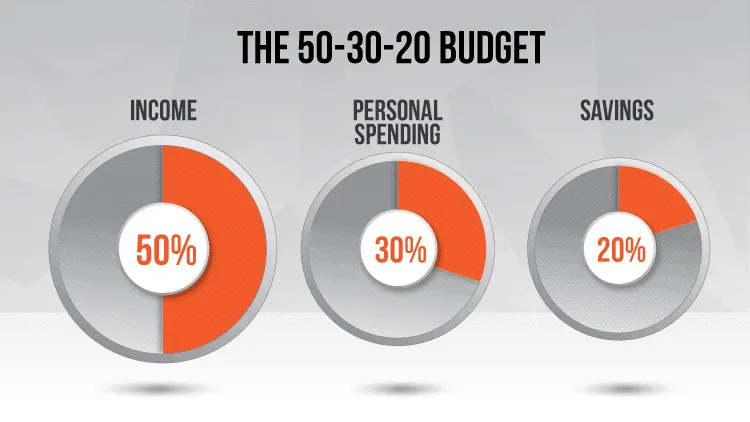
The 50/30/20 budget is attributed to U.S. Senator Elizabeth Warren and has gained popularity because of its simplicity and effectiveness. Instead of juggling multiple categories and complicated spreadsheets, you divide your after-tax income into three buckets:
- 50% for needs
- 30% for wants
- 20% for savings and debt repayment
This breakdown gives you a clear framework to manage your money and make sure you’re covering essentials, enjoying life, and preparing for the future.
Understanding the 50% Needs Category
The first and largest category is your needs, which should take up about half of your after-tax income. These are expenses you have to pay every month — housing costs like rent or mortgage, utilities, groceries, transportation, insurance, and minimum debt payments. Think of this as your essential monthly bills.
One important note here: paying down debt is considered a need in this method. Minimum payments on things like student loans, credit cards, or car loans should be included in the 50% needs bucket because they’re mandatory to keep your financial standing in good shape.
If you find yourself struggling to fit your essential expenses into this 50% limit, it may be time to review your finances. Could you negotiate a lower rent, reduce utility usage, or shop smarter for groceries? Or perhaps increasing your income might be necessary. The goal is to make sure your living costs don’t crowd out your ability to save and enjoy life.
What Counts as Wants (The 30% Bucket)
Next, 30% of your income goes toward wants — these are your non-essential expenses, the “nice to haves” that add enjoyment to your life. This might include dining out, shopping for clothes, travel, entertainment subscriptions, or that new gadget you’ve been eyeing.
The wants category allows you to enjoy your money guilt-free, but it’s capped to ensure you don’t overspend on discretionary items. It’s a balance between responsible budgeting and rewarding yourself.
Saving 20% for Your Future
The final 20% of your income is dedicated to savings and debt repayment beyond the minimums. This part is arguably the most crucial because it helps you build a financial safety net and plan for long-term goals.
Savings here include contributions to an emergency fund, retirement accounts, investment vehicles, or saving for other financial goals like buying a home or starting a business. Prioritize building an emergency fund first — ideally, enough to cover three to six months of expenses — before aggressively investing or saving for other goals.
This category also offers flexibility for tackling debt. While minimum payments are covered in the needs category, any extra payments toward debt reduction come from this savings bucket. Accelerating debt payoff helps save on interest and frees you financially sooner.
Getting Started with the 50/30/20 Method
The first step to using this method is understanding your after-tax income — the actual amount of money you have available after all taxes and deductions like Social Security and Medicare come out. Many people mistakenly budget based on their gross income, which can cause miscalculations.
You can calculate your after-tax income easily using an online calculator by searching “after tax income calculator” for your specific location and income level.
Once you know your after-tax income, divide it into the three categories:
- 50% for needs
- 30% for wants
- 20% for savings
You can use a calculator or budgeting app to allocate your money accordingly. This framework will help you track your spending and saving in a manageable way.
Handling Debt in the 50/30/20 Method
Debt repayment is often a tricky area, but the 50/30/20 method provides clear guidance. Minimum payments are treated as a need, so they belong in the 50% bucket. If you want to pay extra to get out of debt faster, use your savings category for those additional payments.
For example, if your monthly mortgage or student loan minimum is $1,000, that goes in the 50% needs category. If you can afford to put an extra $300 toward debt reduction, that would come from your 20% savings allocation.
You can even adjust how you use the 20% — if you don’t have an emergency fund yet, put all 20% into savings until you’re covered. After that, you can shift some or all of that money toward paying off debt faster or investing.
Why the 50/30/20 Budget Works
This budgeting method is straightforward, easy to remember, and flexible enough to fit different financial situations. It keeps your budget balanced, so you don’t neglect essentials, allows you to enjoy your money without guilt, and encourages consistent savings to build wealth and financial security.
Unlike complex budgets that require tracking dozens of categories or using specialized software, the 50/30/20 rule can be managed with a simple spreadsheet or a budgeting app. It’s an excellent starting point for beginners and a helpful guideline for those wanting to simplify their financial planning.
Adapting the 50/30/20 Rule to Your Life
Of course, not everyone’s financial situation fits perfectly into the 50/30/20 mold. Some people might find that their needs take more than 50%, especially if they live in an expensive city or have high debt payments. In such cases, adjusting the percentages or increasing income is necessary.
Others might prioritize savings more aggressively if they’re working toward a big goal, like buying a home or early retirement, which might mean cutting back on wants temporarily.
The key is to use the 50/30/20 method as a flexible guideline — a way to bring clarity and structure to your finances, rather than a rigid rulebook.
Finding the Budgeting Method That Works for You
Budgeting is highly personal, and what works for one person may not work for another. The 50/30/20 method is just one of many approaches. Other popular methods include the 70/20/10 budget, the zero-based budget, or envelope budgeting.
If you find the 50/30/20 method doesn’t quite fit your lifestyle or goals, consider experimenting with different strategies until you find a rhythm that motivates and sustains you. The most important part is consistency and commitment to managing your money consciously.
Learn More
Budgeting doesn’t have to be complicated or intimidating. The 50/30/20 budgeting method is a simple, effective tool to help you organize your finances, reduce stress, and plan for a prosperous future.
Whether you’re just starting your financial journey or looking for a fresh approach, this method is worth trying out.
What budgeting method do you use? Have you tried the 50/30/20 rule? Share your experiences — and any tips — in the comments. Your insights could inspire someone else to take control of their finances too.